Thursday
Jan072010

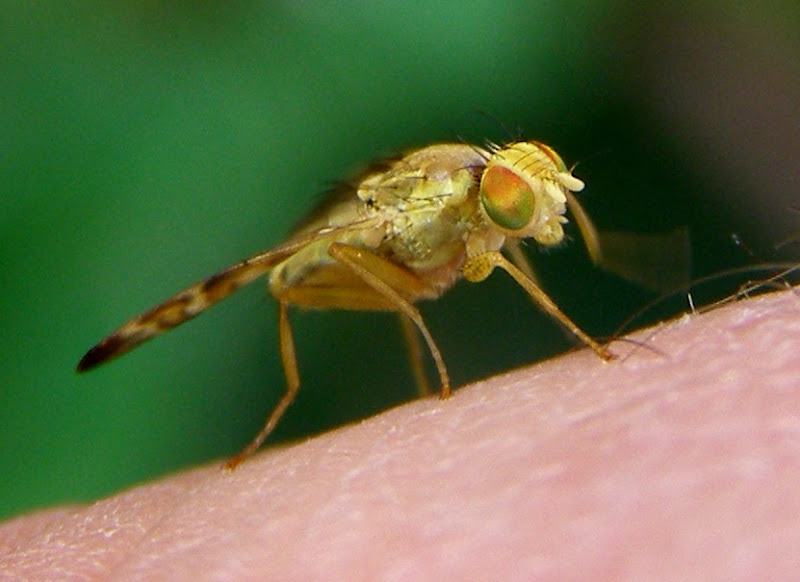
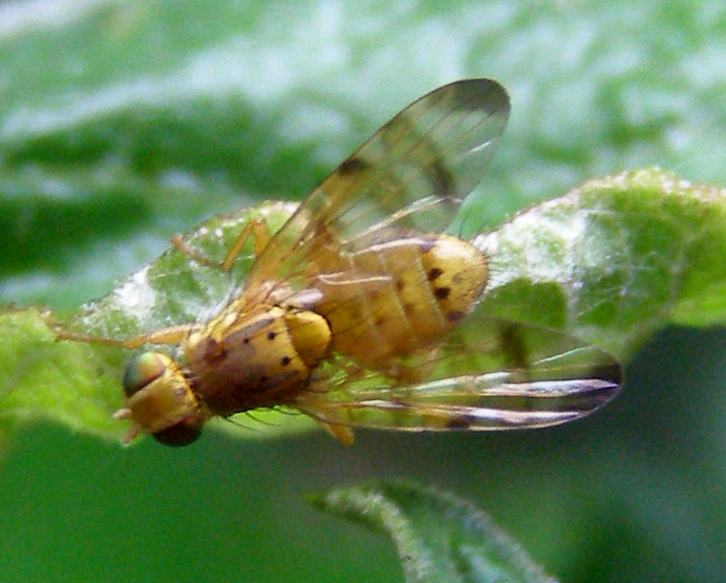
Burdock Gall Fly

From back in mid-summer: a burdock gall fly, Terellia tussilaginis (Diptera: Tephritidae).  For a an earlier post on these flies see here.

Photos taken in Whiteknights Park, Reading University grounds, Reading, UK, on 2009-07-22.

Wednesday
Jan062010

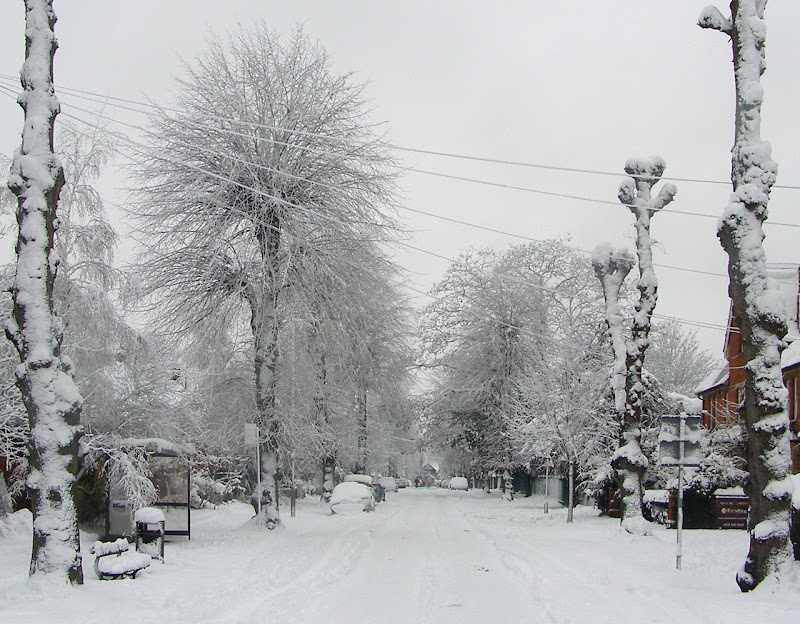
Snow

Last night we had the heaviest snowfall I have experienced since moving to Reading in 1988.  On the grass it was about 20cm deep.  This is quite unusual for the south of England; all the schools are closed and there is very little traffic on the roads.  The local shops are open but under-staffed; I don't know whether the shops in the town are open.  The forecast is for the snow to stay for at least a week or two.

It reminds me of the cold winters of 1981-82 and, further back, 1962-63.

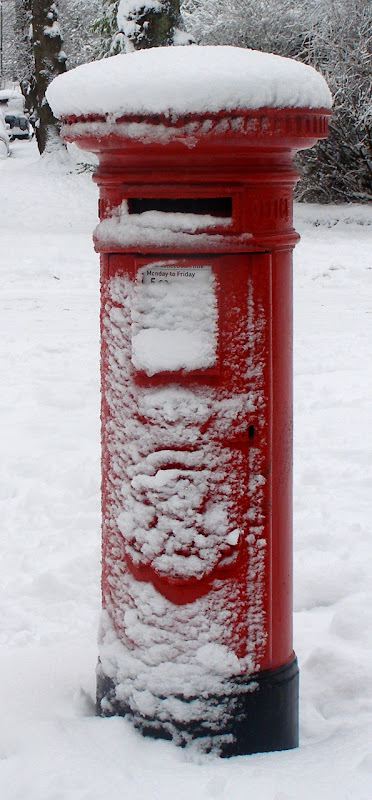
This is the Royal Mail pillar box at the junction of Addington Road and Alexandra Road.  I somehow don't think this will be emptied today.  The first pillar boxes were introduced to Britain following the recommendation of Anthony Trollope, the novellist, who worked for the Post Office (see here).

Photos taken on Addington Road, Reading, UK, on 20010-01-06.

Wednesday
Jan062010

Confidentiality Hinders Error Discovery

While reading this article from 2008 on the Hitler Diaries affair, the following paragraph caught my eye:

Trevor-Roper's main mistake, he told Knightley, had been to sign the confidentiality agreement that Stern had thrust at him in the bank vault in Zurich. By signing, he had deprived himself of the facility that every academic cherishes - the freedom to consult his colleagues.

Hugh Trevor-Roper was the historian whose reputation was destroyed when he was taken in by the forged diaries.  Philip Knightley was a journalist for the Sunday Times, the newspaper that published extracts from the diaries on its front page.

Wednesday
Jan062010

Wild Carrot

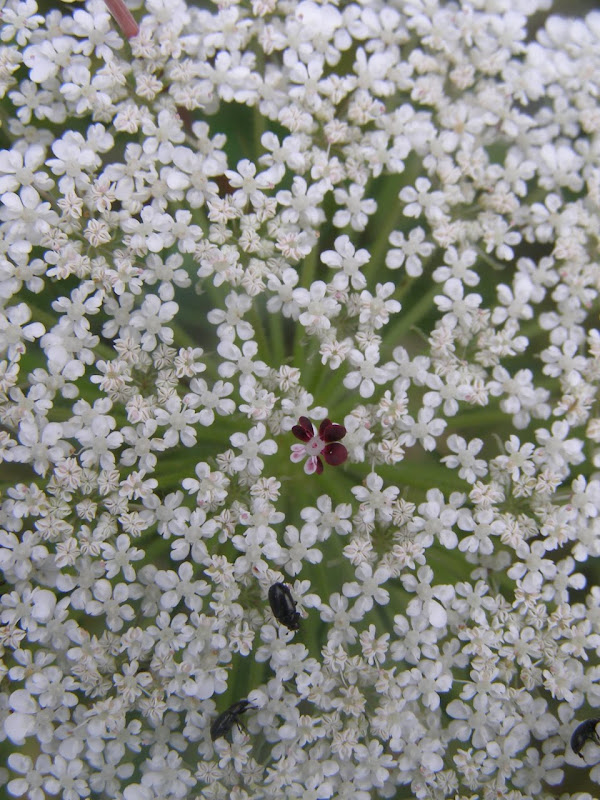
Back in the middle of July, I was photographing an insect on the above umbel when I noticed a single purple flower in the middle of all the white ones.  I at first assumed this must be an abberation, but I then noticed a nearby plant also had a single purple flower at the centre of its umbel.  Up until then I had been having some difficulty in identifying white umbellifers, in particular I was unsure as to which were harmless and those, such as water dropworts, which were deadly poisonous.  So I decided to take several photos of this plant to help me identify it later when I got back home.  Also, knowing the plant often helps in identifying the insects found on it, and this can also work the other way round too. 

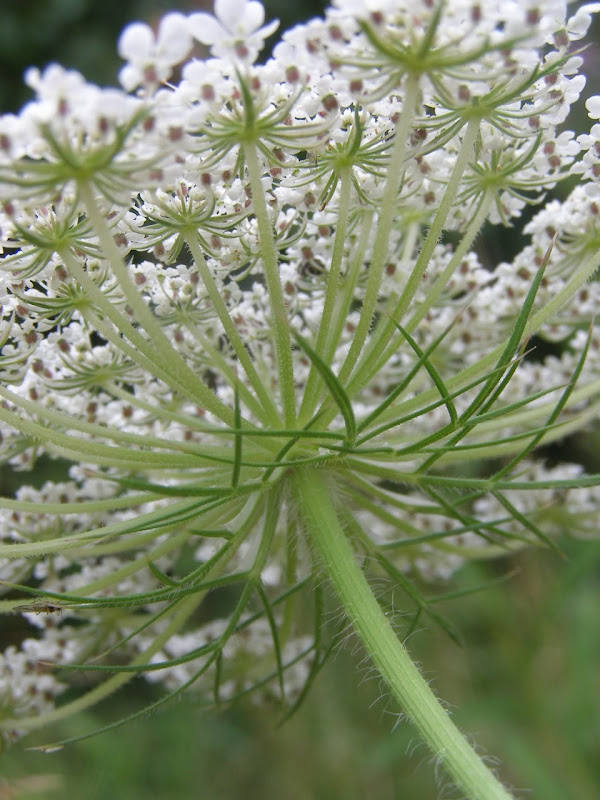
On getting back home I found that it was wild carrot (Daucus carota), the ancestor of our cultivated carrots, and also known in the USA as Queen Anne's lace.  The underside of the umbels were like this:
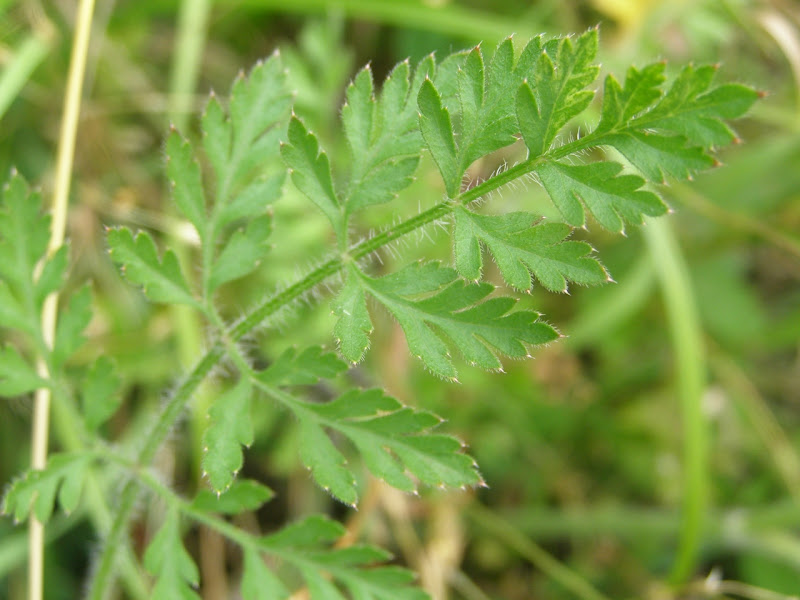
And the leaves looked like this:
A month later and the flowers had become spiny seeds:
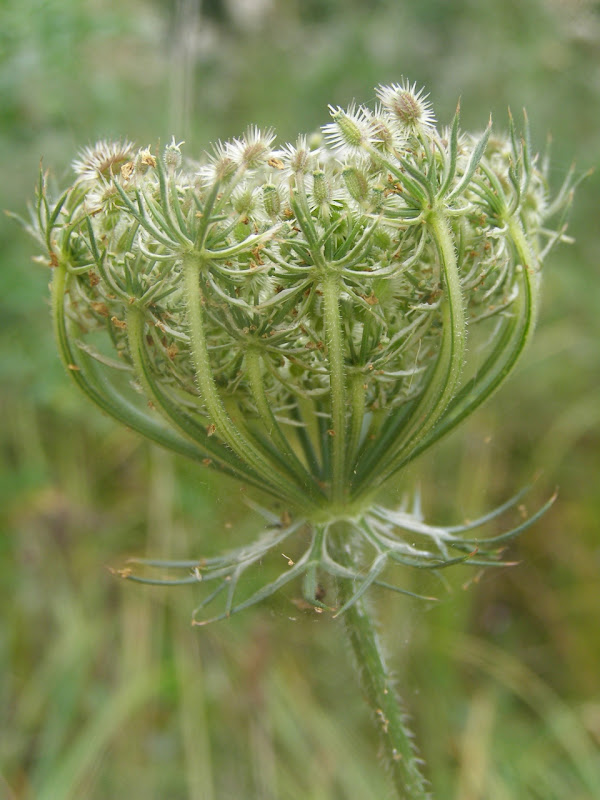
And the umbel had curled up at the edges to form a prickly cup:
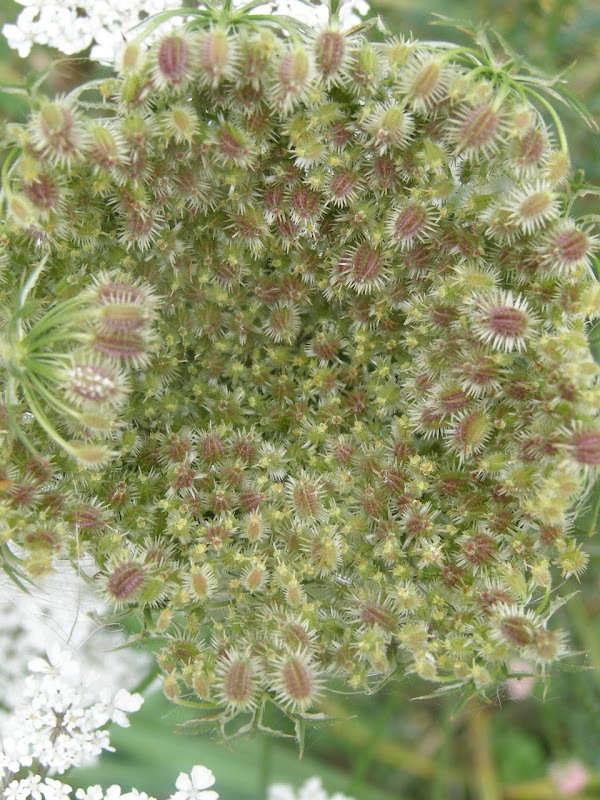
Photos taken in Whiteknights Park, Reading University grounds, Reading, UK, on 2009-07-16 (first three) and on 2009-08-22 (last two).

Tuesday
Jan052010

Tormentil

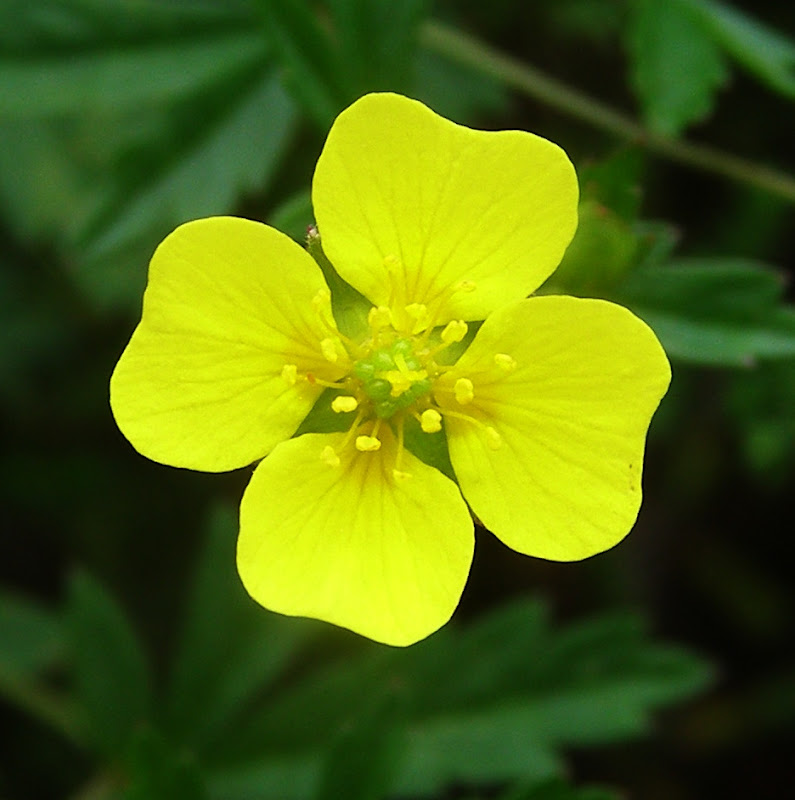
Common tormentil (Potentilla erecta).  From our summer holiday.

Photo taken behind Highcliff, near Guisborough, North Yorkshire, UK, on 2009-08-06.